Where Small And Large Intestine Connect - Capsule endoscopy - Drugs.com / The small intestine is a long, winding tube connected to the stomach on one end and the large intestine on the other.
Dapatkan link
Facebook
X
Pinterest
Email
Aplikasi Lainnya
Where Small And Large Intestine Connect - Capsule endoscopy - Drugs.com / The small intestine is a long, winding tube connected to the stomach on one end and the large intestine on the other.. It is small intestine which, though small in diameter, is the longest part of the. They are connected to the posterior wall of the abdomen by the mesentery, a thin vascular membrane. It begins at the ileocecal junction, where the ileum enters the large intestine, and ends at the anus. Amylase acts on starch and breaks it down into small carbohydrate molecules. The small and large intestines are a vital part of the human digestive system.
The large intestine, also known as the large bowel, is the last part of the gastrointestinal tract and of the digestive system in vertebrates. According to the medical university of south carolina (musc) digestive disease center , the small intestine is only about as big around as a middle finger (approximately 1 inch or. The intestines are located inferior to the stomach in the abdominal body cavity. The enzymes that act inside the small intestine are amylase, protease, and lipase. Name the area where small and large intestine are connected to each other.
Small and Large Intestines | Radiology Key from radiologykey.com Small intestine major function is to absorb nutritional vitamins from the meals whereas large intestine take up water, salts and retailer feces. They are connected to the posterior wall of the abdomen by the mesentery, a thin vascular membrane. Only small, soluble substances can pass across the wall of the small intestine. It is the site of completion of digestion and most absorption. The small intestine bacteriaa, while inhabiting areas optimal for growth have a doubling time of roughly 10 hours. The enzymes that act inside the small intestine are amylase, protease, and lipase. It is a long sized sacculated structure which is differentiated into4 regions. The study authors emphasize that measurements of intestinal length are rare.
The large intestine is larger in diameter than the small intestine.
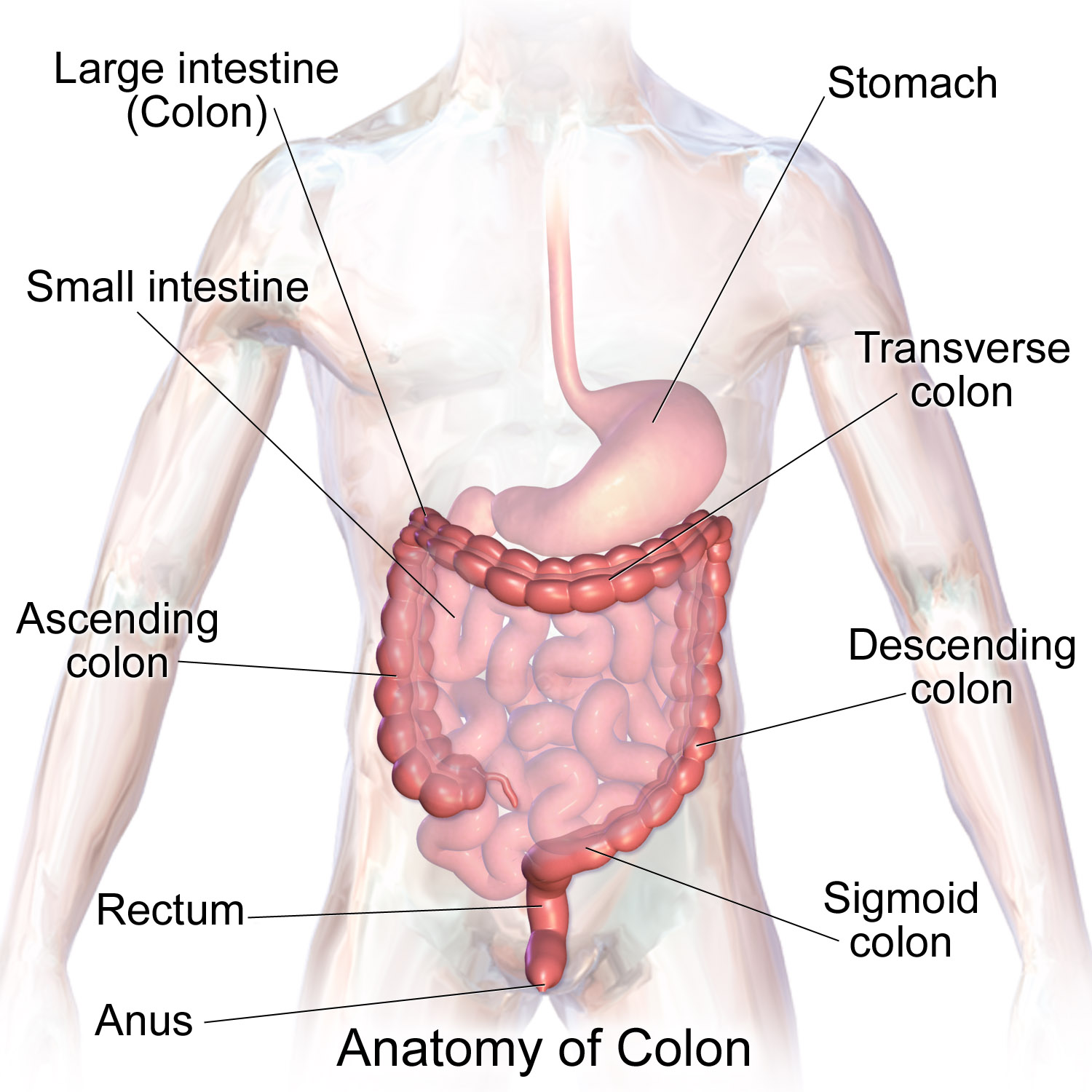
The large intestine is approximately 6 feet in length, while the small intestine is much longer, at approximately 21 feet. Recovery of water and electrolytes. 1 what does the small intestine look like? The large intestine is larger in diameter than the small intestine. Large insoluble substances cannot pass through. This is the largest part of the digestive system. According to the medical university of south carolina (musc) digestive disease center , the small intestine is only about as big around as a middle finger (approximately 1 inch or. The large intestine is the terminal portion of the gastrointestinal tract and is derived from the midgut the large intestine is composed of the same four histological layers of the alimentary canal. Our researchers discovered the gene that connects a certain type of colon cancer to the ashkenazi jewish population, and we are active in understanding the genetic underpinnings of crohn's disease. Amylase acts on starch and breaks it down into small carbohydrate molecules. Both the tubes are interconnected, as well important components of the digestive system, but they can be differentiated in many ways. The intestine is also where most water is absorbed, via osmosis. It connects with the small intestine at the cecum, ascends up and across the abdomen and then descends down to the rectum.
Recovery of water and electrolytes. And those, as i mentioned, line the whole inside layer of the small the last section of the small intestine which connects to the large intestine. According to the medical university of south carolina (musc) digestive disease center , the small intestine is only about as big around as a middle finger (approximately 1 inch or. The small intestine bacteriaa, while inhabiting areas optimal for growth have a doubling time of roughly 10 hours. Colon is found in large intestine.
File:Blausen 0603 LargeIntestine Anatomy.png - Wikimedia ... from upload.wikimedia.org The large intestine is the terminal portion of the gastrointestinal tract and is derived from the midgut the large intestine is composed of the same four histological layers of the alimentary canal. After food is broken down in the duodenum, it moves into the jejunum, where the inside walls absorb the food's nutrients. The kidneys contains millions of tiny filtering units called. Our researchers discovered the gene that connects a certain type of colon cancer to the ashkenazi jewish population, and we are active in understanding the genetic underpinnings of crohn's disease. The wall of the large intestine has the same types of tissue that are found in other parts of the digestive tract but there are some. The small intestine bacteriaa, while inhabiting areas optimal for growth have a doubling time of roughly 10 hours. The small and large intestines. The intestine is also where most water is absorbed, via osmosis.
It is narrow and tubular part occupying the central and answer:
Waste products from the digestive process include undigested parts of food, fluid, and older cells lining your stomach and small intestine make and release hormones that control how your digestive you have nerves that connect your central nervous system—your brain and spinal. 1 what does the small intestine look like? So we have the intestinal fold. It is a long sized sacculated structure which is differentiated into4 regions. The large intestine is primarily responsible for removing water from the contents of the intestine and making it ready for removal from the body. The intestine is also where most water is absorbed, via osmosis. It is the site of completion of digestion and most absorption. Most absorption of nutrients and water happen in the intestines. Recovery of water and electrolytes. After food is broken down in the duodenum, it moves into the jejunum, where the inside walls absorb the food's nutrients. The inside walls of the jejunum have. We explain small intestine with video tutorials and quizzes, using our many ways(tm) approach from multiple teachers. Difference between small and large intestine.
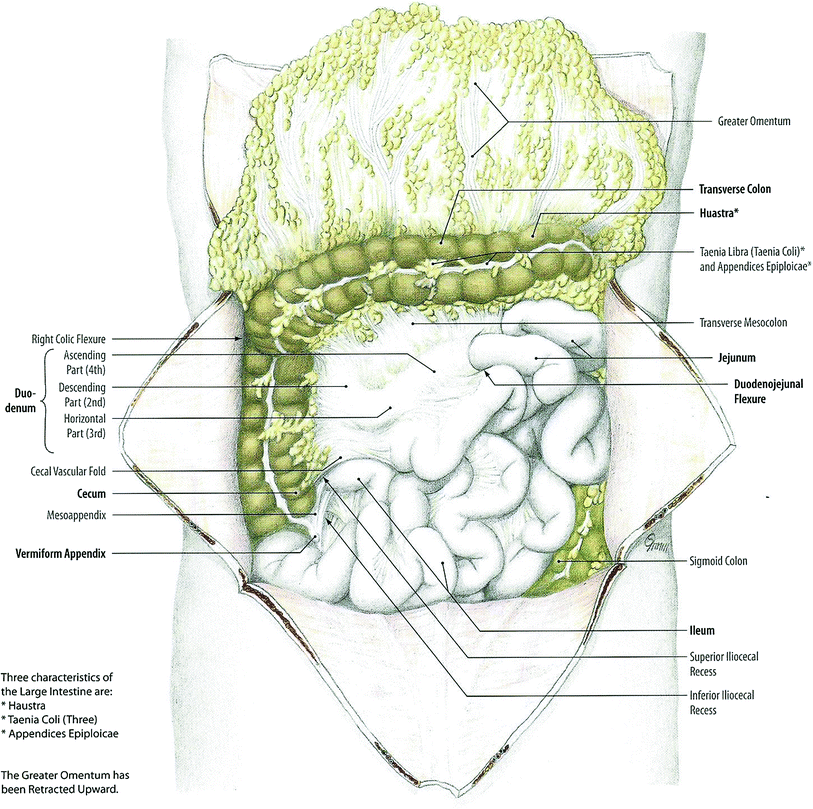
It is about 20ft or 6metres long. The small and large intestines are a vital part of the human digestive system. The small intestine connects the stomach and the large intestine. The wall of the large intestine has the same types of tissue that are found in other parts of the digestive tract but there are some. Large intestine starts from the place where the small intestine ends, while small intestine is present between large intestine and stomach.
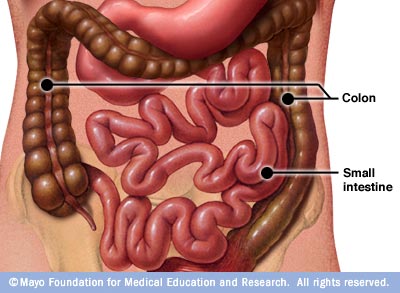
Intestinal obstruction Disease Reference Guide - Drugs.com from www.drugs.com This is the largest part of the digestive system. Our researchers discovered the gene that connects a certain type of colon cancer to the ashkenazi jewish population, and we are active in understanding the genetic underpinnings of crohn's disease. Where they connect is called the ileocecal junction because the last part of small intestine called illum is connected to part of large intestine or colon called cecum. The inside walls of the jejunum have. According to the medical university of south carolina (musc) digestive disease center , the small intestine is only about as big around as a middle finger (approximately 1 inch or. The small intestine is a tube that is connected to the large intestine on one end and the stomach on the other end. Large intestine starts from the place where the small intestine ends, while small intestine is present between large intestine and stomach. The intestines are located inferior to the stomach in the abdominal body cavity.
The longest (up to 34 feet) and narrowest part of digestive tract, small where does most of the absorption of the nutrients take place?
The intestine is also where most water is absorbed, via osmosis. Not all carbohydrates will be broken down by a small intestine, some will pass into the large intestine where they may be unraveled by intestinal bacteria. The kidneys contains millions of tiny filtering units called. It is a long sized sacculated structure which is differentiated into4 regions. Diseases of the small and large intestine are often genetic. The small intestine connects the stomach and the large intestine. The large intestine is larger in diameter than the small intestine. Where they connect is called the ileocecal junction because the last part of small intestine called illum is connected to part of large intestine or colon called cecum. Colon is found in large intestine. For this reason, there is no scientific evidence that intestinal size or length correlates with health or affects how well digestion works. It is the site of completion of digestion and most absorption. Large intestine starts from the place where the small intestine ends, while small intestine is present between large intestine and stomach. It begins at the ileocecal junction, where the ileum enters the large intestine, and ends at the anus.
Mexico Vs Honduras English / World Cup Qualifying Preview: Mexico vs. Honduras | Goal.com / Estados unidos mexicanos (united mexican states). . Herculez gomez says vigilance must be taken by mexico and wolves with raul. Gomez warns importance of caution in jimenez return (1:31). Madagascar malawi malaysia maldives mali malta marshall islands mauritania mauritius mexico moldova monaco mongolia montenegro morocco mozambique namibia nauru nepal netherlands new zealand nicaragua niger nigeria north korea north macedonia norway oman pakistan palau. Mexico and honduras last met in june in an international friendly that ended in a scoreless draw. Semifinals opponents honduras and costa rica? The usmnt and el tri are expected to reach the inaugural final in denver, but how will they fare vs. Mexico vs honduras live streams. Check the preview, h2h statistics, lineup & tips for this upcoming match on 13/06/2021! Los catrachos will get their biggest test of the cup here. Me...
Russland Flüsse Karte : Politische Karte Russlands Hauptstadt Moskau ... : Tripadvisors russland karte mit hotels, pensionen und hostels: . Detaillierte infos, fotos und landkarte. Would you like your scores to be saved so that you can track your. Die wolga ist übrigens der längste fluss europas. Lage von russland innerhalb von eurasien karte von russland mit den wichtigsten verkehrswegen. Karte von russland (übersichtskarte / regionen der welt) mit städten, orten, straßen, flüssen, seen, bergen und landmarks 2,5 millionen von flüssen. Insgesamt besitzt russland 120.000 flüsse! Hier sehen sie die lage von russland unterkünften angezeigt nach preis, verfügbarkeit oder bewertung von anderen reisenden. Er liegt im südsibirischen gebirge und ist der tiefste see der. Diese karte gibt einen großzügigen ausschnitt des größten landes der welt mit all seinen postleitzahlen, den städten. Finden sie informationen über das wetter, straßenzustand, routen mit. ...
ドラゴン桜 江口 / ドラゴン桜2江口のりこが怖い?前作にも登場してたって本当 ... - We want to make the best collection modern asian fine art. . You can see a lot of pictures, upload your, track trends, and communicate! 相互げんきだして 身内のために作りました。 ヒャア〜ッッッ ウホホ!メーカーの名前変えました。 アイコンヘッダーなどはご自由にどうぞ。表記等不要です。 過度な加工は許可しませんが、背景の合成、塗り加筆、ちょっとしたパーツ追加程度であれば許可し. We want to make the best collection modern asian fine art. ここは今から倫理です。 ドラゴンクエスト ダイの大冒険 新装彩録版 21. Ecchi / コメディ / ドラマ化 / ハーレム / ロマンス / 学園. 相互げんきだして 身内のために作りました。 ヒャア〜ッッッ ウホホ!メーカーの名前変えました。 アイコンヘッダーなどはご自由にどうぞ。表記等不要です。 過度な加工は許可しませんが、背景の合成、塗り加筆、ちょっとしたパーツ追加程度であれば許可し. ここは今から倫理です。 ドラゴンクエスト ダイの大冒険 新装彩録版 21. You can see a lot of pictures, upload your, track trends, and communicate! Ecchi / コメディ / ドラマ化 / ハーレム / ロマンス / 学園. We want to make the best collection modern asian fine art. 江口のりこ X ドラゴン桜 | Twitterで話題の有名人 - リアルタイム ... from pbs.twimg.com We want to make the bes...


Komentar
Posting Komentar